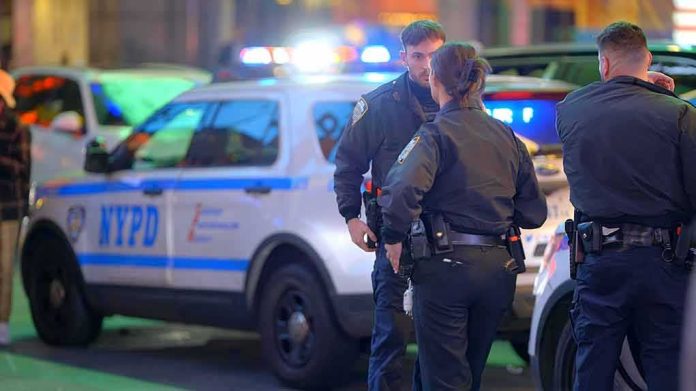
New York City just shut down the police unit that spent a decade clashing with protesters in the streets.
Story Snapshot
- Mayor Zohran Mamdani and NYPD Commissioner Jessica Tisch announced the end of the Strategic Response Group on November 16, 2026.
- The roughly 600-officer unit had handled both counterterrorism and protest crowd control since 2015.
- Its duties will split among other NYPD units, including a brand-new Civilian Dialogue Unit.
- Mamdani campaigned on killing the unit, calling its dual mission “a modern conflation.”
- A former NYPD detective warns the move could create a “major chilling effect” on public safety.
A Campaign Promise Becomes City Policy
Mamdani did not spring this on anyone. He told voters during his campaign he wanted the Strategic Response Group gone, and he repeated that pledge in office. He said separating protest response from counterterrorism “is not an if for me. It’s a when.” This week, standing alongside Commissioner Tisch, he followed through, fulfilling a core promise of his police reform agenda.
The announcement itself was simple. The unit responsible for crowd control and protest policing in America’s largest city would no longer exist as a standalone operation. Mamdani and Tisch framed it as the biggest shake-up of NYPD protest strategy in years, closing out a unit that had become one of the most litigated and criticized parts of the department.
Why the Unit Drew Years of Lawsuits and Complaints
The Strategic Response Group began in 2015 as a counterterrorism force built to answer public disorder and terror threats. Over time its job grew to include everyday crowd and protest control, a combination critics said demanded two completely different mindsets. One job calls for restraint with peaceful demonstrators. The other calls for aggressive response to armed threats. Mixing them, reformers argued, confused officers and endangered civilians.
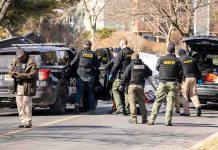
That criticism was not just talk. New York City’s own Comptroller’s office documented the unit ballooning from 350 officers to roughly 800, equipped with ballistic helmets, assault rifles, and riot shields, while handling many of the city’s Black Lives Matter demonstrations. The unit also racked up a disproportionate number of complaints to the Civilian Complaint Review Board, along with accusations of excessive force and mass arrests against demonstrators exercising their First Amendment rights.
What Replaces the Riot Squad
Disbanding the unit does not mean the city walks away from protest security or counterterrorism. Those jobs get redistributed. Counterterrorism duties move to units built specifically for that mission. Crowd and protest duties shift toward a new Civilian Dialogue Unit, designed to use community liaison officers instead of a militarized response team to manage demonstrations.
This is not New York’s first attempt to fix protest policing. After lawsuits tied to the 2020 Black Lives Matter protests, the city already adopted a four-tiered approach mixing community affairs officers, traffic patrol, and specialized units under a legal settlement. Mamdani’s move goes further by eliminating the specific unit at the center of those complaints rather than just adjusting its tactics.
Pushback From Law Enforcement Voices
Not everyone is cheering. A former NYPD detective publicly criticized the decision, warning it creates a “major chilling effect” on officers’ ability to respond quickly to real threats. That concern reflects a common conservative worry: stripping a dedicated response team for political optics can leave a city slower to react when real danger, not just a peaceful march, shows up on the street.
Why would a congressman from Galveston, Texas, be so concerned about how New York City manages its own police department? It’s particularly interesting that so much of the criticism directed at Mayor Mamdani’s proposal to disband the NYPD’s Strategic Response Group appears to be…
— Sophisticated Gent (@SophistGent) November 17, 2026
Supporters counter that separating missions protects both public safety and constitutional rights better than one unit trying to do both jobs at once. Whether the new Civilian Dialogue Unit and redistributed counterterrorism teams can actually match the old unit’s response capability remains the real test. New Yorkers will find out the next time the city faces a major protest or a genuine security threat.
Sources:
news.bloomberglaw.com, gothamist.com, cnn.com, nyc.gov, en.wikipedia.org, nytimes.com