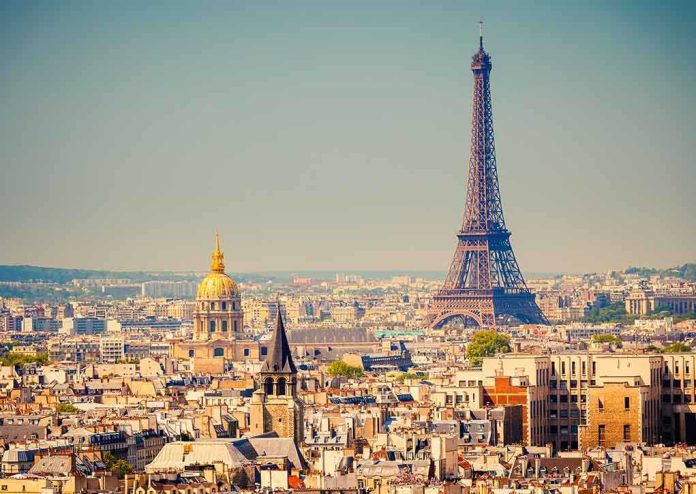
Paris shut the Eiffel Tower after staff said women were told to hide during a private visit, a move officials now admit never should have happened.
Story Snapshot
- Unions said women were moved off posts for a Hindu delegation’s tour.
- The Tower’s operator admitted the visit sought to limit “interactions with women”.
- City leaders opened an investigation; the group expressed regret and denied bias.
- The clash spotlights how “accommodations” can cross into unlawful discrimination in France.
What Sparked The Strike At An Iconic Landmark
Union leaders at the Eiffel Tower said managers asked female staff to step away during a private tour by a Hindu religious delegation on Saturday. A union representative said women were told to leave workstations so men could replace them as the group passed. Workers walked out Monday, closing the site. The Tower reopened Tuesday after talks. Paris officials said they would review who approved the plan and whether workers’ rights were broken.
The operating company that runs the monument confirmed the visiting group asked to limit “interactions with women,” and said those conditions should not have been accepted. Staff said written instructions sidelined women and made them “invisible.” The operator also apologized to employees and visitors. City leaders said the probe would examine internal emails, shift rosters, and who signed off. Leaders promised transparent findings and possible sanctions if rules were breached.
How The Visiting Group Responded
The religious organization linked to the visit said it coordinated with Tower management to reduce disruption, not to exclude women. In a written statement, the group said the coordination was never meant to be gender-based and did not reflect its values. Outlets reported the group expressed regret for any hurt caused, while maintaining it did not ask that women be removed. The statement did not dispute that special conditions were discussed with management.
These two facts now sit side by side. The operator admits it agreed to limit contact between the group and women. The group denies seeking a gender-based rule and says it aimed for smooth logistics. The investigation will need to resolve that gap. It will also weigh whether the instructions given to employees broke French labor law on equal treatment, dignity at work, and sexist conduct.
Why French Law And Politics Make This Explosive
French law bars discrimination based on sex in employment and services. The French Labour Code treats sexist conduct at work as unlawful, including instructions tied to a person’s sex that harm dignity or access to work. Because the Eiffel Tower is a public symbol, the issue grew fast. Politicians condemned the sidelining of women and called for clear accountability for any breach of equality norms. Even a “temporary” arrangement can violate the rule if it treats women as lesser.
France has fierce debates on faith and equality. Institutions often face requests to reflect religious practice. But when meeting those requests means moving women out of view, that crosses bright lines. Workplaces are not free to trade away equal access, even for a short visitor tour. The law expects leaders to say no and protect employees. That duty holds regardless of the group, the faith, or the reason for the request.
What This Says About Power And Accountability
This story is not only about one tour. It shows how elite deals behind closed doors can erase regular workers. Leaders approved conditions that made women step aside. Workers then paid the price when visitors arrived and the world watched. Many readers, left and right, see the same pattern in many places: powerful people bend rules to keep VIPs happy, while basic dignity takes a back seat. That is how trust breaks, one “exception” at a time.
https://t.co/jpatPe8bbV
Eiffel Tower was closed after its staff staged a walkout and strike. The action followed anger over the directive during the BAPS Swaminaryan visit when female employees were ordered to step away from their workstations, stay out of sight. 6 min read.— Independent Ink (@Independentink9) September 12, 2026
Unions forced a public check by shutting down the Tower for a day. That action drew an apology from management and a city probe. Next steps matter. Clear findings, named responsibility, and training to prevent repeat cases would be a start. So would a bright-line policy: no visitor condition can limit who gets to work based on sex. If leaders set and enforce that rule, staff will not have to strike to defend what the law already promises them.
Sources:
youtube.com, reuters.com, aljazeera.com, france24.com, apnews.com