Feds are treating the 2026 World Cup as a high-risk security event, with drones and lone actors now sitting near the top of the threat list.
Quick Take
- Federal and local officials are preparing for unauthorized drones around stadiums, fan zones, and transit routes tied to World Cup events.[1][2]
- Authorities say the most plausible terrorism threat is a lone actor or small group, not a publicly identified plot.[3][4]
- The Federal Bureau of Investigation (FBI) has said some host cities have no known specific threats, even as it keeps security posture elevated.[4]
- Congress and federal agencies have expanded counter-drone planning and funding for major-event security.[2][3]
Drone Defense Becomes a Front-Line Priority
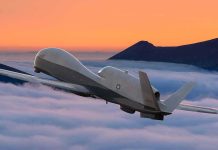
Federal authorities are building out a no-drone security posture around World Cup venues, with the Federal Bureau of Investigation and the Federal Aviation Administration working to detect, intercept, and, if necessary, force unauthorized drones down.[1] Los Angeles officials said the tournament has been classified as a national security event, giving federal law enforcement broader authority to enforce temporary flight restrictions and impose steep penalties on violators.[1]
The pressure is understandable because drone misuse has already become a visible public-safety problem, and federal planners do not want that risk layered on top of packed stadiums and fan events.[1] The Los Angeles report says authorities are preparing counter-drone teams, while a separate account describes local and federal officials still racing to train officers and improve detection as the matches approach.[1][2] For a country already paying the price for weak border control, soft enforcement, and years of neglected security planning, the instinct to harden airspace around major events is common sense.
Lone Actors Remain the Hardest Threat to Predict
Federal Bureau of Investigation officials in Houston said one of their biggest concerns is a “lone offender” attacking crowded public areas connected to World Cup events, including transit systems and gathering spaces.[2] That warning matches outside analysis from the Center for Strategic and International Studies, which says the most likely danger is a domestic lone actor or small group targeting soft spots such as fan zones and nearby commercial districts.[3] The concern is not a named plot; it is the vulnerability of large open events themselves.[2][3]
Atlanta officials have publicly said there are no known threats in the area, which matters because it separates precaution from panic.[4] At the same time, the Federal Bureau of Investigation continues to brief local partners and gather intelligence, showing that the absence of a specific threat does not mean the absence of risk.[4] That is the practical reality of modern security: authorities often act on patterns, capability, and opportunity rather than wait for a final warning before moving.
Public Funding and Federal Planning Show a Bigger Security Footprint
The federal response extends beyond stadium fencing and law enforcement patrols. The Department of Homeland Security says it is working with federal, state, local, and international partners around the clock, and it has tied World Cup security to broader counter-drone funding through a five hundred million dollar grant program that includes host jurisdictions.[2][3] Politico reported that agencies such as Customs and Border Protection, the Federal Protective Service, the Transportation Security Administration, the Coast Guard, and the Secret Service are part of the preparation effort.[2]
ICYMI: FBI Director Kash Patel revealed a slew of security concerns, including cyber threats, drones and the potential for lone-wolf attacks ahead of the World Cup, which will draw millions of visitors across North America. https://t.co/dZq6Jt6hTJ
— Brooke Taylor (@Brooketaylortv) June 1, 2026
That scale tells readers something important: the government sees the tournament as more than a sports spectacle, and it is planning accordingly.[1][2][3] The strongest public evidence does not show a confirmed imminent attack, but it does show officials bracing for drones, cyber threats, and opportunistic violence around a massive international event.[1][2][3] For conservatives who have watched too many institutions ignore obvious risks until after a disaster, the better course is to secure the perimeter now and keep the public informed without overselling certainty.
Sources:
[1] Web – Feds, local law enforcement on guard for drones, lone wolf attacks …
[2] Web – World Cup security planners prepare for ‘unprecedented’ challenge
[3] Web – FBI officials taking steps to prevent ‘lone offender’ threats ahead of …
[4] Web – The Terrorist Threat to the 2026 World Cup – CSIS