After a staged onstage shootout with dancers in Dallas Cowboys Cheerleaders-style uniforms, the Cowboys’ parent company rushed to court to stop My Chemical Romance from using the look again.
Story Snapshot
- The Cowboys’ brand owner filed for a restraining order and injunction over DCC-style costumes at a Hollywood Bowl show.
- The legal claim targets uniforms that allegedly copied signature Dallas Cowboys Cheerleaders design elements.
- The dispute centers on potential confusion over endorsement, not the band’s music or political themes.
- Past court rulings recognized the DCC uniform as a protectable mark when audiences could think there was sponsorship.
What Triggered The Legal Fight
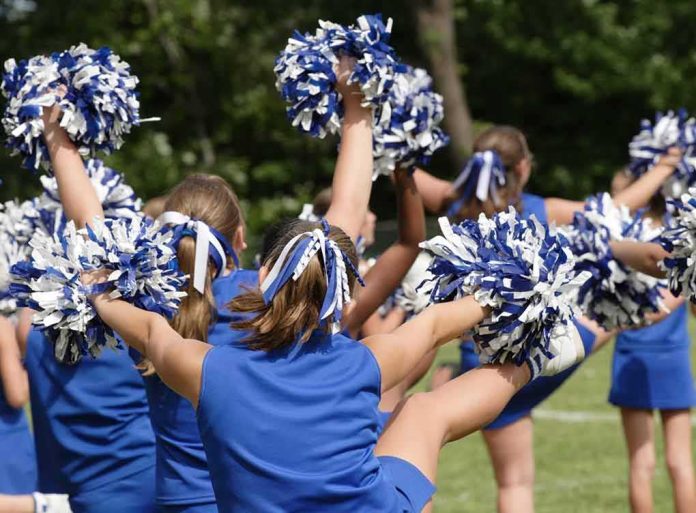
Pro Silver Star Ltd., which owns the Dallas Cowboys Cheerleaders brand, filed a motion in Dallas County District Court on October 23, 2026. The motion seeks a temporary restraining order and preliminary injunction against My Chemical Romance and related parties. The filing followed a Hollywood Bowl performance where dancers wore blue-and-white costumes that looked like the cheerleaders’ uniforms during a staged gunfight scene. The company says the lookalike gear risks confusion and harms the cheerleaders’ reputation.
Reports describe the show as a theatrical set in a fictional regime. Pro Silver Star’s claim narrows the issue to the uniforms alone. The owner states it does not object to the band’s songs, choreography, messages, or even the use of prop weapons on stage. It objects to dancers who appeared to copy the cheerleaders’ “signature elements,” which the brand has long guarded through trademarks and licensing. As of publication, outlets did not include a response from the band on the legal merits.
Why The Uniform Matters In Court
The Dallas Cowboys Cheerleaders uniform has a long legal history. Courts have treated the outfit’s specific colors, stars, blouse, vest, and shorts as distinctive brand features. In a well-known case against a movie theater, a federal appeals court upheld an injunction because viewers could think the cheerleaders endorsed or approved the film that used the look. Trademark records also show the brand’s efforts to register and protect related marks over many years.
Another case from the late 1970s involved posters and near-identical outfits on models. A federal appeals court sided with the cheerleaders when the imagery risked suggesting a tie to the team without permission. These cases show a pattern: when a famous uniform signals a brand to the public, courts will ask if the display could imply sponsorship or approval. If yes, judges often grant quick relief while the case proceeds.
The Stakes For Art, Branding, And Audiences
This fight touches a larger tension. Artists borrow strong images to tell stories that feel real. Brands invest money and time to build those images and keep control. Courts often sort these disputes by asking one core question: would a typical viewer think the brand backed this use. Pro Silver Star argues the answer here is yes, because the dancers looked too close to the real deal in a violent scene at a high-profile venue.
The corporate owner of the Dallas Cowboys Cheerleaders has filed a lawsuit against rock band My Chemical Romance and concert promoter Live Nation, alleging the group used unauthorized look-alike uniforms during a recent concert in Los Angeles. https://t.co/AE0wdGlS6P
— FOX 7 Austin (@fox7austin) October 26, 2026
Fans across politics share a complaint that powerful groups play by different rules. This case shows how control over symbols can shape what people see on stage. The cheerleaders say they are not trying to police art, only their name and look. The band’s view is not yet on the record. A judge will now choose whether to freeze the costumes while the case moves ahead, a step that often signals how courts see the risk of confusion.
Sources:
nypost.com, nbcnews.com, thewrap.com, rollingstone.com, themirror.com, parade.com, law.justia.com