
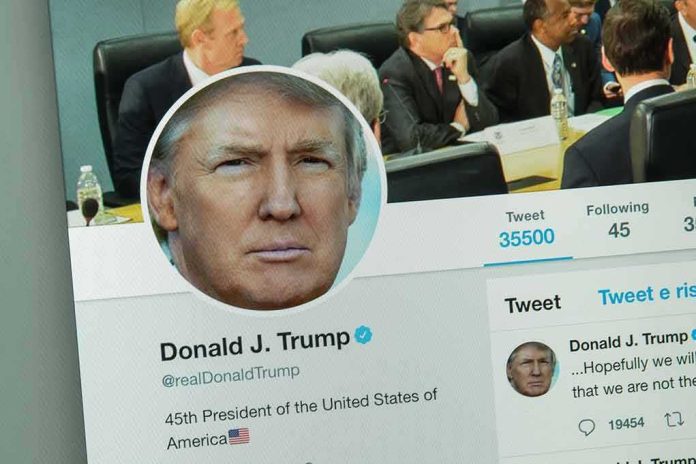
President Trump launched a $25 million fraud whistleblower program that pays cash for tips that lead to real convictions or major enforcement wins.
Story Highlights
- The program sets aside $25 million and offers up to $30,000 per eligible tip that delivers results.
- Rewards hinge on successful convictions or significant federal enforcement actions, not mere allegations.
- The Department of Justice will administer the program, with tips routed through fraud.gov.
- Vice President JD Vance’s Task Force to Eliminate Fraud anchors the effort across agencies.
Trump-Vance Team Targets Waste With Cash-For-Results Tips
White House officials said on October 20, 2026, that the administration created a $25 million Fraud Whistleblower Incentive Program to attack fraud that steals from taxpayers. The plan offers up to $30,000 to eligible tipsters when their information produces a conviction or a significant federal enforcement action, not just an accusation. The Department of Justice will run the program and collect tips through fraud.gov, the administration’s central reporting portal built to track cases and outcomes.
Vice President JD Vance leads the Task Force to Eliminate Fraud that ties agencies together for faster action. The White House said the task force’s job is to find abuse of taxpayer money and push cases to completion. Spokesperson Lauren Bis said the administration has zero tolerance for people who steal from Americans, and that the task force is delivering accountability every day. A recent White House release described a nationwide coalition behind this “war on fraud” push.
How The Reward Works And Where To Report
Officials stated that a tip alone will not earn a reward. The information must lead to a successful fraud conviction or a major federal enforcement action, which sets a clear bar for results. The Justice Department will manage intake and awards, while fraud.gov will serve as the starting point for the public to report suspected fraud. This design aims to focus attention on cases with evidence that can stand up in court or produce measurable enforcement results.
The Treasury Department also operates a whistleblower page that invites detailed tips about fraud, money laundering, sanctions, and tax violations. Treasury says it is working with the Vance-led task force and describes incentives for people who share the who, what, when, where, and how of misconduct. That existing channel shows broader infrastructure is in place to support the new fraud push across multiple subject areas.
Why Paying For Proven Tips Can Work
American law has long used rewards to expose hidden fraud. The False Claims Act lets private citizens help the government recover stolen funds, and the Justice Department has reported large recoveries and significant payouts to whistleblowers under that system. The Securities and Exchange Commission has also documented strong results when original information leads to successful enforcement actions. Its annual reports highlight hundreds of millions of dollars awarded in some years. These examples show that targeted incentives can deliver real cases and real recoveries.
The Trump-Vance design follows that pattern by tying money to outcomes, not noise. By making the Department of Justice the administrator and fraud.gov the hub, the plan builds a straight path from a credible tip to a case. The White House says the effort exists to protect taxpayers, cut waste, and restore trust in how federal dollars are used. That mission matches core conservative goals: smaller waste, stronger accountability, and real penalties for those who cheat the public.
What We Know And What Comes Next
Public reporting so far sets the reward ceiling and the $25 million pool but does not publish full award rules or explain how the pool and the per-tip maximums interact. Treasury also notes that some payment details for its incentives are still being clarified, which suggests implementation steps remain in progress. The White House has framed the initiative as part of a broader, ongoing fraud crackdown that connects agencies and speeds up enforcement against abusers of federal funds.
President Trump announced the Fraud Whistleblower Incentive Program today. You report fraud and if it's real, you get paid. Trump's words: "If you find a billion dollars, we are giving a commission to that person of 1%."
REPORT HEREhttps://t.co/f0Zi0p7WfG pic.twitter.com/maYJuaaLHC— Patriots Are In Control (@WernaMR) October 21, 2026
For taxpayers who have watched waste and abuse drain family budgets through higher prices and higher bills, this move aims at a simple test: if your tip helps convict a fraudster or drive a major enforcement action, the government will pay you. President Trump and Vice President Vance are betting that citizens with eyes on the ground can help end scams faster, protect honest families, and make Washington live within its means again.
Sources:
youtube.com, noticias.foxnews.com, political.org, wmxi.com, thehill.com, whitehouse.gov, home.treasury.gov