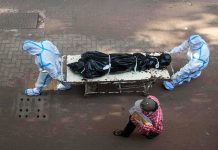
Back-to-back 7.2 and 7.5 earthquakes crushed parts of Venezuela, leaving La Guaira’s buildings shattered and thousands feared dead as rescue teams race the clock.
Story Highlights
- Two major quakes hit northern Venezuela, collapsing structures in La Guaira and Caracas.
- Venezuela declared a state of emergency as casualty counts rose sharply.
- NASA-linked reporting counted tens of thousands of damaged structures.
- U.S. response includes aid and deployments under President Trump’s direction.
Twin Quakes Strike Densely Populated Coast
United States Geological Survey (USGS) data showed two powerful quakes, magnitude 7.2 and 7.5, striking northern Venezuela on June 24, west of Caracas. Reporters and officials described severe shaking across the capital and into La Guaira, the coastal gateway city. Images showed pancaked apartment blocks, buckled roads, and crushed cars. Scientists said landslides were likely widespread, which complicates access to trapped survivors and slows delivery of medical supplies into affected neighborhoods.
Early videos from residents and journalists captured buildings swaying and then failing, with dust clouds rolling through narrow streets. Reports cited structural collapses and visible damage to bridges and port facilities in La Guaira and damage across Caracas. NASA-linked satellite reporting estimated more than 58,000 structures destroyed or damaged, pointing to a vast recovery bill and months of displacement for families who lost homes and businesses. That scale strains any emergency system, let alone one already stretched.
Rising Death Toll And A State Of Emergency
Authorities first reported at least 32 deaths and over 700 injuries, but numbers rose as crews reached new sites. Venezuela’s health minister later reported about 235 deaths and thousands injured on state television, reflecting the grim trend that follows major quakes when searches expand and morgues log new entries. The government declared a state of emergency to mobilize resources and command rescue operations nationwide, though reports did not list a specific decree number or legal text outlining scope and duration.
Rescue teams dug through concrete by hand and with loaders as power outages and blocked roads slowed the effort. Hospitals struggled with trauma cases and shortages. Journalists on the ground described chaos at clinics and shelters, where families searched for missing loved ones. The pattern matches other disasters where initial counts jump five to ten times as assessments improve and access opens to hard-hit zones trapped behind landslides or collapsed overpasses.
Why La Guaira Suffered So Much Damage
Geologists noted the quakes were large and relatively shallow, which increases surface shaking and damage potential in cities built on fill or steep terrain. La Guaira’s port area and hillsides make it vulnerable to both ground failure and slides. United States Geological Survey models forecast significant landslides across the region, which likely cut key roads that connect the coast to Caracas. When access breaks, heavy gear cannot reach collapse sites fast, and survival odds fall with each passing hour.
Satellite snapshots and field images showed soft-story failures, masonry cracks, and fallen facades that point to older buildings or weak retrofits. A full engineering review is needed to sort quake force from construction issues, but the visible failure modes echo past Latin American disasters. Where codes are uneven and enforcement is weak, large quakes turn small defects into deadly collapse patterns. That is why rescue crews keep focusing on multi-story apartments and older commercial blocks first.
American Response And The Policy Stakes
The United States moved supplies and personnel as partners asked for search, medical, and logistics help. Reports said Washington pledged major aid and deployed military support to back rescue work, reflecting a fast response mission under President Trump’s leadership focused on saving lives and moving relief through damaged corridors. American teams bring canine units, field hospitals, and airlift, which are vital when ports and highways are jammed or broken.
Venezuela earthquake death toll rises to 2,595, over 12,000 injured KNOW MORE: https://t.co/tdcKdJNvpx
The death toll from Venezuela's devastating earthquakes has risen to 2,595, with more than 12,000 injured. The government has declared seven days of national mourning as…
— YesPunjab.com (@yespunjab) July 3, 2026
For conservatives at home, two points matter. First, a strong America answers disasters with speed and muscle, proving that borders and sovereignty go with responsibility, not retreat. Second, this tragedy shows what happens when systems fail. Building codes, power grids, and hospitals must be real, not slogans. That is why U.S. policy should back hard assets: energy security, resilient infrastructure, and accountable aid that reaches people, not regimes. Results save lives; bureaucracy does not.
Information Gaps And How To Read The Numbers
Media and officials reported different casualty numbers across the first days. That happens often after major quakes as data moves from rumor to record. The first count of 32 deaths rose to about 235 as access improved and records updated. The emergency decree was reported, but a specific document number did not circulate in early coverage, which limits legal clarity on scope and timeline. Readers should expect revisions as morgues process backlogs and rescue teams reach cut-off zones.
What To Watch Next
Search-and-rescue will give way to recovery and accountability. Watch for independent engineering reviews of collapses in La Guaira and Caracas, which can guide safer rebuilds and expose bad practices. Track road and port reopening timelines, since those drive aid flow and business recovery. Look for updated satellite damage maps to target relief more precisely. Finally, expect international partners to press for transparent data and clean channels so donations buy tarps, tools, and trauma care—not propaganda.
Sources:
insiderpaper.com, earthquakeinsights.substack.com, facebook.com, pbs.org