
A county coroner ruled that five-year-old Saylor Hayes drowned, and he listed child neglect as a contributing factor, sharpening a case that already gripped two states.
Story Snapshot
- The coroner said Saylor died from asphyxia due to drowning; neglect contributed.
- The manner of death remains undetermined, limiting what officials can conclude.
- Police charged the parents with child endangerment-related crimes after her August disappearance.
- Reports say a claimed tracking device was actually left at the family’s Virginia home.
Coroner’s Findings and Case Status
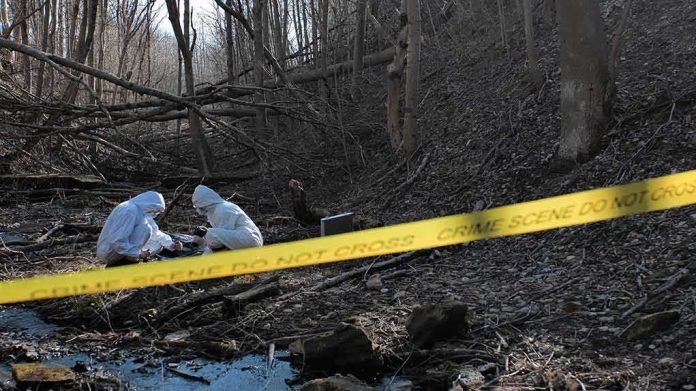
Georgetown County Coroner Chase Ridgeway announced on November 6, 2026, that Saylor died from asphyxia due to drowning. He wrote that child neglect contributed to the death. He kept the manner of death undetermined, saying investigators could not say if it was an accident or a homicide. That ruling sets medical facts while stopping short of assigning intent. The finding arrives months after searchers found Saylor’s body in the Waccamaw River near her family’s Pawleys Island rental on August 31.
Authorities arrested Saylor’s parents, John Herb Hayes the third and Geordyn Nichole Hayes, in early September and charged them with crimes tied to child endangerment. A judge later denied bond, citing the nature of the allegations. The case now moves through South Carolina courts, where prosecutors will have to show the parents’ actions or failures met the legal standard for those charges. An arrest is not a conviction, and the criminal process continues.
Alleged Gaps in Supervision and Search Details
Investigators say Saylor was severely non-verbal and autistic, with a history of wandering and an attraction to water. Those details matter because the family stayed near a river. The parents told responders about a Project Lifesaver style transmitter and urged searchers to use it. Later reports say investigators found the device at the family’s Virginia home. Officials say the claim pushed search efforts away from water early on, where Saylor was later found.
Dispatch and news summaries describe a frantic scene after Saylor went missing. A call attributed to John Hayes said the child had “just escaped,” and that he needed help. Other reports say he told officials he left Saylor buckled in a sport utility vehicle while he ran inside, and she vanished in a “split second.” Those descriptions add context to the charges that focus on supervision and safety steps taken that day near the river.
Why Autism and Water Demand Extra Safety
Research shows a high risk of drowning for children with autism who wander. Studies link wandering with many water deaths among autistic children. Public health guidance urges close, constant supervision near ponds, rivers, and lakes, and calls for barriers and alarms when possible. These findings do not decide a criminal case, but they explain why officials highlight risk and supervision when a non-verbal child with autism disappears near open water.
UPDATE: Saylor Hayes (5)
The coroner has confirmed that Saylor, the nonverbal autistic little girl found dead in South Carolina’s Waccamaw River, died from drowning. 😢
CHILD NEGLECT was listed as a contributing factor.
Her manner of death remains undetermined.
Saylor was… pic.twitter.com/IJqa7AYEDP
— Rose (@901Lulu) November 10, 2026
This case touches a broader concern many families share: systems that talk about safety, but fail to deliver clear support. Parents of special-needs children often face waitlists, complex programs, and devices that only help if used and tracked. Local responders juggle limited staff and many calls. When information is wrong or late, minutes matter. People on the left and right can agree on this much: families need straight answers, working tools, and fast, honest coordination when a child goes missing.
What Comes Next in Court and Community
Prosecutors will press their case using affidavits, scene work, and timelines. Defense lawyers will test each claim and the link between any lapse and the child’s death. The coroner’s undetermined manner of death narrows some arguments while leaving room for both sides. Outside the courtroom, local leaders can act now: improve water barriers near rentals, promote quick-missing-child protocols, and expand training and equipment for searches near rivers and marshes.
Sources:
nypost.com, wjbf.com, abcnews4.com, counton2.com, wyff4.com