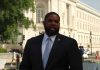
Barack Obama said President Trump was unfazed by the Saddam Hussein line but angered by the Cheesecake Factory jab—and Trump’s own remarks focused on defending the White House décor, not disputing the Hussein reference.
Story Snapshot
- Obama said Trump was upset by the Cheesecake Factory joke, not the Hussein reference.
- Trump answered by defending White House renovations and its symbolism.
- Trump called Obama a “lousy president” after the joke drew headlines.
- The flap shows how humor can drive partisan media cycles in campaign season.
What Obama Claimed About Trump’s Reaction
Barack Obama told supporters that President Trump did not mind the Saddam Hussein part of his joke, but he did get angry about the Cheesecake Factory comparison. Obama said, “The president wasn’t even mad about the Saddam Hussein comparison… But he was very upset about the Cheesecake Factory comment.” That framing turned a one-liner into a test of pride and image. Obama’s account describes what he believes set Trump off, not Trump’s private thoughts.
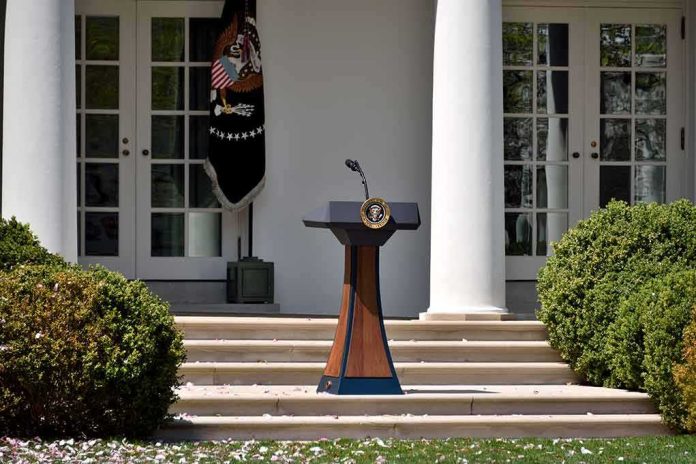
Obama’s framing matters because it splits the joke into two pieces. One is a strongman comparison. The other is a hit on taste and style. The split helps explain why the follow-on fight centered on décor, gold trim, and upkeep of the People’s House. It also shows how campaigns weaponize humor. A simple roast can spark policy-sounding defenses, press scrums, and a week of clips and shares, even when no new facts emerge about governance.
How President Trump Responded In Public
President Trump pushed back by praising the renovation work and the people who did it. He said the White House had been in “horrible shape,” and that he fixed it with “the finest artisans in the world.” He added, “He said, ‘This isn’t a Cheesecake Factory.’ Can you believe it?” Trump’s remarks centered on appearance, maintenance, and national pride, matching Obama’s claim that the décor line, not the Hussein line, drew the response.
Trump also turned the moment into a broader attack on Obama’s record. He said that calling the White House a Cheesecake Factory showed why Obama was a “lousy president.” That line shifted the story from a joke to a clash over status, competence, and stewardship of a national symbol. The move can rally supporters, but it does not show what part of the joke first bothered him in private. It only shows what he chose to answer in public.
What The Evidence Shows—and What It Does Not
The public record supports two clear points. First, Obama stated that the Cheesecake Factory line upset Trump while the Hussein reference did not. Second, Trump’s reply focused on décor and repairs, not on the Hussein piece. What we do not have is direct proof of Trump’s private feelings at the time, such as staff notes, a transcript, or a recording that confirms Obama’s reading of Trump’s reaction the moment he heard the joke.
VIDEO – Obama: Trump Admin. ‘Mobilized a Whole of Gov’t Response’ to the Cheesecake Factory Joke Instead of Tackling Inflation https://t.co/maIngJGSkQ
— Grabien (@GrabienMedia) October 29, 2026
That gap matters in a media environment built on outrage. Outlets and influencers boost the parts that drive clicks. Studies show that outrage and divisive content get more engagement online, which keeps minor spats in the feed and off-ramps serious debate. Here, a joke about interior style grew into a days-long fight, crowding out talk of policy costs, household budgets, border issues, and energy prices that most families care about every day.
Why This Hits A Nerve Across The Aisle
Voters on the right and left see a pattern: leaders and their teams move fast to manage optics while tough problems drag on. Obama mocked a “whole-of-government” style push to answer a quip. Trump showcased renovation pride to defend the White House brand. Both moves play to base instincts. Neither fixes wages, lowers grocery bills, or improves public trust. When politics rewards theater, citizens feel like extras on a set, not owners of their government.
Bottom Line For Readers
The facts are simple. Obama says the décor jab stung; Trump’s words backed that up by focusing on looks and repairs. He also blasted Obama’s record. What remains unknown is Trump’s private feeling at the exact moment he heard the joke. That uncertainty should not distract from the larger signal: our political system often treats symbols as more urgent than substance. That is why so many Americans believe Washington serves the show, not the people.
Sources:
youtube.com, newsweek.com, thenewdaily.com.au