A rushed digital deal with Iran could reopen the Strait of Hormuz tomorrow while leaving the real nuclear fight and billions in sanctions on the table.
Story Snapshot
- Trump says a US–Iran memorandum will be signed tomorrow and the Strait of Hormuz will “open to all” right after.
- The document is a 60‑day memorandum of understanding, not yet a final peace treaty or full nuclear accord.
- Key issues like Iran’s nuclear program, frozen assets, and Strait management are pushed into later talks.
- Iranian officials publicly say the text still needs review and approval, and is not fully signed off.
Trump’s Big Promise: Strait Open, Nukes Blocked, War Ended
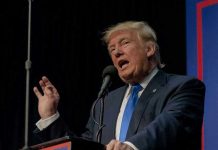
President Donald Trump has told Americans that a deal with Iran “will be signed tomorrow,” and that once it is signed, the vital Strait of Hormuz will be “open to all” again.[1] In his Truth Social post and TV interviews, he claims Iran has agreed never to have a nuclear weapon, not by buying one, not by building one, not “in any way, shape, or form.”[2] He presents this as the opposite of the Obama-era deal he tore up back in 2018.[4][5]
Trump also says the United States will lift its naval blockade immediately when the memorandum is signed, which he argues will send oil prices “dropping like a rock” and give relief to drivers and small businesses. For many conservatives who remember $5 gas under left-wing energy policies, the idea of cheaper fuel without handing Iran a blank check is very appealing. He calls the document a “very strong memorandum of understanding” that meets “all US nuclear requirements.”
What Is Really Being Signed: A 60‑Day Memorandum, Not a Final Treaty
Behind the strong words, both friendly and hostile media describe something more limited than a full peace treaty. Axios and other outlets report that negotiators have agreed on a 60‑day memorandum of understanding that extends the ceasefire and starts structured talks, rather than instantly settling every nuclear and sanctions issue.[2] Pakistani mediators and European reporters describe a two‑phase process, with this first step focused on stopping the shooting and reopening shipping lanes.[3][4]
White House allies themselves call the document a memorandum of understanding related to peace, not a ratified treaty with all technical annexes locked in.[4] Trump has even described it as “a little conceptual,” while saying lawyers will complete the final papers over several days. That kind of announcement-first diplomacy is not new, but it means Americans are being asked to cheer a framework whose fine print they still cannot see.[1][3][4]
Iran’s Story: Not Final Yet, and Key Issues Pushed Down the Road
Iranian leaders are telling their own people a different story. State media and senior officials say a memorandum is “quite close” but still under review by the Supreme National Security Council and the Supreme Leader, and “has not been signed off on.”[4] One senior Iranian diplomat says the text will only “pave the way” for 60 days of further talks on the toughest issues, including nuclear terms and sanctions relief.[3][4]
Reports from Tehran also say Iran wants any reopening of the Strait of Hormuz to come with Iranian management and transit fees, not a simple switch back to pre‑war free passage as Trump suggests.[3][4] Iranian officials are also demanding the immediate release of about $24 billion in frozen assets, while American officials insist money will only move after Iran performs.[3] Those gaps on cash and control show why many analysts warn this “deal tomorrow” could still fall apart.
Nuclear Question Delayed: Promise Now, Details Later
For conservatives, the heart of the matter is simple: does Iran’s path to a bomb end now, or not? Trump says Iran has agreed in “great detail” never to buy or develop a nuclear weapon.[2] But reporting from Axios, PBS, and CNN describes something softer. They say nuclear issues will be handled during a 60‑day technical negotiation after the memorandum is signed, not locked in on day one.[2][3][4]
🚨 BREAKING
US President Donald Trump says the US–Iran deal is set to be signed on June 14.
“Strait of Hormuz will remain open for all,” Trump added.
Positive for global markets as geopolitical tensions ease. Crude oil may remain under pressure, a key positive for… pic.twitter.com/TDcFi90jAc
— Shubham Rajput (@shubhamrajbtg) June 13, 2026
Foreign diplomats explain that phase two talks will cover enrichment levels, stockpiles of enriched uranium, inspections, sanctions removal, and other nuclear questions.[3][4] Until those talks are done and inspectors on the ground can confirm real steps, Iran’s nuclear program is not dismantled in the way many voters might assume. That is a very different picture from the permanent “no nukes ever” line White House messaging is pushing out to American audiences.[2][3][4]
Allies, Enemies, and the Risk of Mixed Messages
Key allies like Israel are also caught off guard. Reports indicate that Prime Minister Benjamin Netanyahu learned details of the memorandum from media and social networks, not from a prior detailed briefing.[3][7] That lack of coordination worries many who remember how Israeli strikes and Iranian proxies can quickly drag the region back into conflict. Israeli leaders fear that Iran will pocket economic gains, keep its terror networks, and play for time on the nuclear file.
Analysts on both left and right warn that the two sides are selling very different stories at home: Trump speaks of a “great settlement” that ends the war and kills the nuclear threat, while Iranian media calls their country “the victor” and mocks the United States as “weak” and “pathetic.”[3][6][7] That kind of spin war can erode trust fast. If Americans later learn that nuclear details were vague, assets were quietly released, or the Strait’s reopening came with new Iranian leverage, support on the right could collapse.
What Conservatives Should Watch For Next
For readers who care about strong borders, cheap energy, and real peace through strength, the next few weeks matter more than tomorrow’s signing ceremony. First, we will need to see the actual memorandum text, including any annexes on nuclear material and timelines, not just victory speeches.[2][3] Second, inspectors and maritime data will show whether the Strait truly reopens for all without new Iranian tollbooths or hidden conditions.
Congress can also demand hard answers on any release of frozen assets, tying every dollar to verified steps by Iran instead of trusting unelected global bankers.[3] As this administration tries to end another ugly Middle East war, conservatives have every right to insist on clear terms, real enforcement, and zero secret side deals. Peace is good. But peace that leaves Iran richer, the West weaker, and nuclear questions vague is not the kind of “great deal” American families were promised.
Sources:
[1] Web – BREAKING: Trump says a deal with Iran is scheduled to be signed …
[2] Web – 2025–2026 Iran–United States negotiations – Wikipedia
[3] Web – Exclusive: What’s inside the Iran deal Trump is close to signing – …
[4] YouTube – What’s in the US-announced Iran deal, and what Iran says
[5] Web – President Donald J. Trump is Ending United States Participation in …
[6] Web – United States withdrawal from the Iran nuclear deal – Wikipedia
[7] YouTube – Trump Announces ‘End of Iran War’ | Mojtaba Accepts Deal?