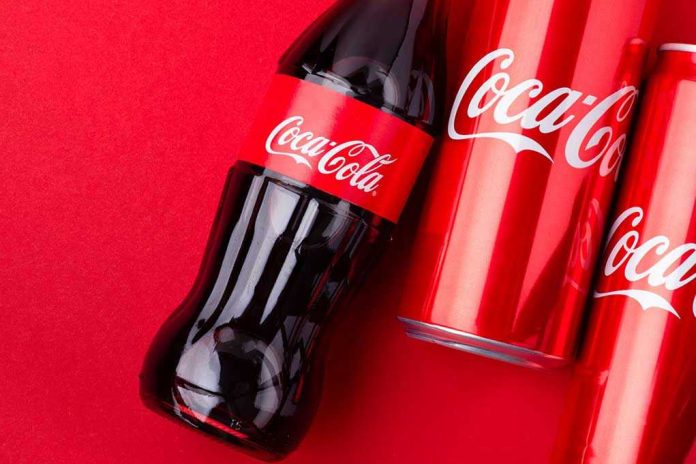
A new policy restricting SNAP benefits from purchasing soda and candy sparks debate on its effectiveness in curbing obesity.
Story Highlights
- Five states have begun implementing restrictions on SNAP benefits.
- The policy aims to reduce obesity by limiting unhealthy food purchases.
- SNAP recipients in 18 states will face reduced purchasing options by the end of 2026.
- Evidence on the effectiveness of these restrictions is mixed.
States Implement SNAP Food Restrictions
As of January 1, 2026, five states—Indiana, Iowa, Nebraska, Utah, and West Virginia—have begun restricting the purchase of soda, candy, and other sweetened foods using Supplemental Nutrition Assistance Program (SNAP) benefits. This policy, championed by the Trump administration, aims to improve public health by steering SNAP dollars away from “unhealthy choices,” as stated by Health Secretary Robert F. Kennedy Jr.
The initiative marks the first coordinated effort to impose food restrictions across multiple states. These measures are part of a broader reform agenda to enhance nutritional value within SNAP, focusing on integrity and public health goals. The policy shift is facilitated by USDA-approved waivers, allowing states to set their own restrictions on non-nutritious items.
Variation in State Restrictions
The restrictions vary significantly by state. For example, Indiana and Iowa have taken a stringent approach by banning all soda and candy purchases, while Iowa’s restrictions are broader, applying to all taxable food items except seeds. Other states like Nebraska and West Virginia focus specifically on soda and energy drinks. This diversity in restrictions reflects ongoing debates on how comprehensive the bans should be.
Currently, the USDA has approved waivers for 18 states, with plans for staggered implementation throughout 2026. States like Florida and Texas will join the initiative later in the year, further expanding the scope of these restrictions. While the policy’s objective is to reduce obesity rates, experts remain skeptical about its effectiveness, citing mixed evidence on whether such bans actually change eating habits.
Impact on SNAP Recipients and Retailers
These restrictions will significantly affect millions of SNAP recipients across the country, limiting their purchasing options and potentially altering their dietary habits. Grocery retailers in affected states must adapt by implementing new point-of-sale restrictions and training staff accordingly. This adds an administrative burden to state agencies responsible for managing new eligibility and transaction rules.
👏👏👏
5 States Limit Soda, Candy For SNAP Recipients To Curb Obesity | ZeroHedge https://t.co/HvcqsbUKnr
— Terri (@River_City) January 1, 2026
The policy also raises concerns about equity, as it disproportionately affects low-income populations who rely on SNAP benefits for their nutritional needs. While the administration emphasizes public health benefits, the lack of conclusive evidence about the effectiveness of these bans in reducing obesity remains a critical point of contention.
Sources:
USDA Food and Nutrition Service: SNAP Waivers