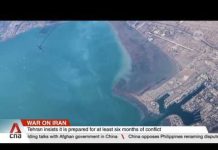
Iran just turned a Pakistan-brokered ceasefire into a 10-point ultimatum—raising the stakes for President Trump’s deadline and the world’s most important oil chokepoint.
Story Snapshot
- Iran refused to meet U.S. officials in Islamabad and rejected what it called “unacceptable” U.S. demands.
- Tehran countered through Pakistan with a reported 10-point framework focused on a permanent end to the war, not a temporary truce.
- President Trump tied any deal to reopening the Strait of Hormuz and issued a “hell” ultimatum with a deadline.
- Conflicting accounts emerged about whether Pakistan’s mediation truly collapsed, with Islamabad publicly disputing that narrative.
Iran’s rejection turns mediation into a list of conditions
Iranian officials rejected a Pakistan-led effort to set up U.S.-Iran ceasefire talks, including refusing to meet a U.S. delegation in Islamabad, according to multiple reports. Instead of accepting a time-limited pause, Tehran reportedly sent a 10-point counterproposal through Pakistani channels. The thrust of that message, as described in coverage citing IRNA and other reporting, centered on a permanent end to the conflict, regional de-escalation, and sanctions relief—conditions far broader than a quick ceasefire.
Trump ties any off-ramp to the Strait of Hormuz
President Trump framed the dispute around a clear pressure point: access through the Strait of Hormuz. Reports said Trump conditioned progress on reopening the waterway and warned of dramatically intensified military action if it remained closed, echoing rhetoric about bombing Iran “back to the Stone Ages.” Iran, meanwhile, has used the strait as leverage by restricting passage tied to U.S. and allied shipping. For American households, this matters because disruptions in that corridor can spill quickly into global energy prices.
Conflicting narratives: “collapse” vs. Pakistan’s denial
Coverage diverged on whether Islamabad’s mediation effort is dead or merely stalled. Some reporting described Pakistan’s ceasefire push as having “collapsed” after Iran rejected the U.S. position and declined meetings. Pakistani officials, however, publicly denied that characterization and continued calling for de-escalation. That gap is more than diplomatic theater: it signals how regional partners try to preserve leverage and credibility even when neither side wants to concede failure. It also underscores how difficult it is to verify claims in fast-moving wartime diplomacy.
Escalation signals: strike waves, aircraft losses, and unanswered questions
While diplomacy sputtered, reports described continued Iranian “waves” of retaliatory strikes and a broader conflict now stretching into its fifth week. Separate accounts referenced downed U.S. aircraft, including mention of an A-10, and a missing U.S. airman—details that heighten political pressure in Washington while information remains limited. Trump reportedly avoided giving specifics on how the U.S. would respond to the missing airman but signaled consequences. With incomplete public confirmation, these claims should be treated cautiously, but they add to the risk of miscalculation.
Why this matters at home: energy, war powers, and distrust in “the system”
The immediate U.S. interest is preventing a prolonged shutdown of the Strait of Hormuz, a chokepoint central to global energy flows and shipping. For conservatives who remember how inflation and energy costs battered families during years of policy-driven supply constraints, the idea of another externally driven price spike is a flashing warning light. For Americans on the left and right who suspect government incentives tilt toward endless conflict, the unresolved question is whether Washington can secure a clear national-interest outcome—without drifting into an open-ended war that voters never truly consented to.
For now, the most solid facts are straightforward: Iran rejected the Pakistan channel, issued a structured set of demands focused on permanence and sanctions, and Trump answered with a deadline and threats tied to the strait. What’s not yet clear—based on the available reporting—is the full text of Iran’s 10 points, whether a new venue like Qatar or Istanbul can restart talks, and how far each side is willing to go if deadlines pass. Until those details are public, the best read is that both sides are bargaining with maximum pressure, not building trust.
Sources:
Iran says no to Islamabad’s attempt to play peace broker, continues 83rd wave of counter strikes
Pakistan-Led Ceasefire Efforts Collapse As Iran Rejects “Unacceptable” US Demands: Report
Iran rejects ceasefire as deadline nears on Trump “hell” ultimatum
Pakistan in denial, refuses to accept collapse of Islamabad-brokered US-Iran ceasefire talks