Body-camera video released after a search for a missing girl now anchors a federal lawsuit over a beloved family donkey shot on private land.
Story Highlights
- Body-camera footage exists and is central to a new federal civil-rights lawsuit.
- The family says officers entered an enclosed pasture without consent or a warrant.
- The officer says the donkey charged and a Taser arc failed before the shot.
- The officer is on paid leave while a state probe continues.
Body-Camera Video Fuels Lawsuit Over Shooting On Private Property
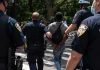
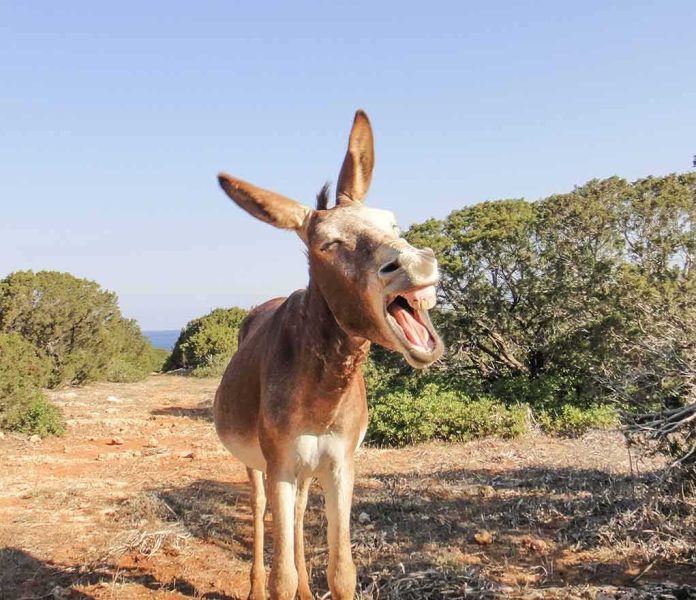
Police searched fields near Cedartown, Georgia, for a missing 12-year-old when an officer shot a one-year-old miniature donkey named HeeHaw. News reports say the family fought to release body-camera footage, which now frames a federal lawsuit. The complaint claims officers entered an enclosed pasture without a warrant or consent and used unreasonable deadly force against property on private land. The city placed the involved officer on paid leave as outside investigators review what happened.
Hannah Israel, HeeHaw’s owner, says the young donkey was a gentle family pet and posed no immediate danger. The lawsuit argues the animal did not threaten officers and that the shooting destroyed family property without legal cause. The dispute now centers on what the video shows in the seconds before the shot. Reporters confirm the footage exists and was reviewed by the chief, but they do not publish a frame-by-frame breakdown that resolves the final approach or distance.
Officer’s Account Cites A Charging Animal And Failed Taser Deterrent
Officer Trenton Garner says the donkey charged him and a K-9 handler during the search. He states the handler arced a Taser to scare the animal, but it kept coming. Garner reports he fired one round to protect the K-9 team, after which the donkey turned and went up a hill before collapsing. Body-camera audio captures Garner saying the animal tried to attack them, which supports his account but does not, by itself, settle the reasonableness of deadly force.
Competing claims mark the record. The family calls HeeHaw calm and safe, while the officer describes a fast threat. Reporters have not released complete synchronized footage from all officers, nor independent measurements of speed, distance, or time. That gap leaves key facts open. The chief confirmed that state agricultural law officers are investigating, and the department said it will not comment while the probe remains active. A finding has not yet been announced in public reports.
Key Legal Question: Was Deadly Force Reasonable Under The Fourth Amendment?
Federal courts treat killing a domesticated animal as a seizure of private property under the Fourth Amendment. Judges then ask if the officer reasonably believed there was an imminent danger at the moment force was used. This case turns on that balance. If the body-camera video and other evidence show an immediate threat, the city may argue the shot was reasonable. If not, the family’s claim of an unlawful seizure gains strength.
The missing-child search matters but does not end the analysis. The lawsuit challenges both the entry into the enclosed pasture and the force against the animal. Reports do not yet show whether officers had consent or a valid exception to enter that private area. The record also does not confirm the exact distance, the effect of the Taser arc, or whether other options were available before the gunshot. Those facts will likely decide liability more than emotions ever could.
Why This Matters To Property Rights, Policing, And Trust
Rural families expect police to find missing children while respecting property lines and livestock. A search does not suspend the Constitution. Clear rules protect everyone. If officers can enter an enclosed pasture and shoot a family animal without meeting the reasonableness test, then no barn, pen, or corral is truly safe. That fear erodes trust and invites overreach. Strong body-camera policies and fast transparency help keep both citizens and officers accountable.
🚨🇺🇸 Newly released bodycam footage shows a Georgia officer fatally shooting HeeHaw, a one-year-old miniature donkey, while searching for a missing girl.
The officer said the donkey charged and a Taser failed to scare it away. The owner has filed a federal lawsuit. pic.twitter.com/yxEB8nw79O
— The Daily Brief News (@TDBNEWS1) October 10, 2026
Next steps should focus on facts. The full body-camera file, Taser logs, and incident reports can show timing, distance, and options. An independent state report can set a public record. Courts can weigh whether the entry and the shot met constitutional limits. Until then, citizens should insist on due process and clear standards. Protecting kids and respecting property are not rivals. Good policing serves both, and that is the standard our communities deserve.
Sources:
wsbtv.com, newsweek.com, coptalklive.org, ktvb.com, atlantanewsfirst.com, internewscast.com