Ukraine’s drone campaign has pushed Russia’s oil system into a new kind of pressure test, with multiple major refineries hit and fuel markets feeling the strain.
Quick Take
- Reuters, BBC Verify, AP, and CNBC all reported repeated Ukrainian strikes on named Russian refineries across a wide geographic spread.
- Reuters said attacks on refineries doubled since the start of 2026, causing full or partial shutdowns and lower fuel output.
- BBC Verify found 21 of Russia’s 38 large refineries had been hit since January, with at least 10 partly or fully suspended.
- The provided record supports major disruption, but it does not fully prove the claim that every one of Russia’s eleven biggest refineries was hit.
What the strike wave shows
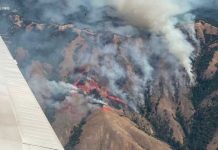
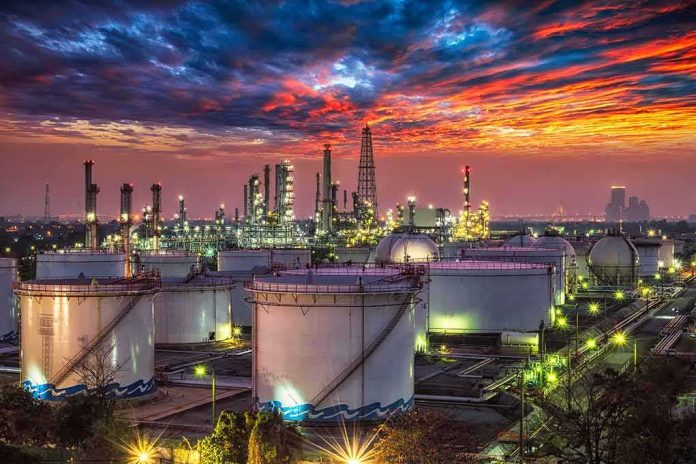
Ukrainian drones have repeatedly reached deep into Russia and hit refineries that matter to the country’s fuel supply. Reuters reported strikes on the Moscow refinery, Ilsky, Omsk, TANECO, TAIF-NK, and Saratov, while CNBC and AP described additional hits on other major sites. The pattern is not a single event. It is a steady campaign aimed at energy infrastructure that supports Russia’s war economy.
That campaign matters because refineries are not just industrial targets. They sit at the center of gasoline, diesel, and jet fuel production. Reuters said attacks on refining had doubled since the start of 2026 and had already forced full or partial shutdowns. Reuters also reported that the capacity affected in one spring wave exceeded 83 million metric tons a year, or about one quarter of Russia’s refining capacity. Those figures point to real strain, even if the exact damage varies by plant.
What the public record confirms
The strongest reporting supports disruption, not total collapse. BBC Verify concluded that 21 of Russia’s 38 large refineries had been hit since January, and at least 10 had suspended operations in full or in part. AP reported that fuel shortages and long lines at gas stations followed the attacks, while BBC and DW said prices and rationing also worsened in some regions. That is a measurable hit to daily life, especially in a country spread across 11 time zones.
Still, the record in hand does not prove every claimed effect in the boldest framing. Some incidents were described as fires caused by drone debris, and Russian officials often said their air defenses intercepted large numbers of drones. Reuters also noted that it sometimes relied on official data, social media, and its own calculations, which reflects the limits of wartime reporting. In other words, many strikes are real, but the exact downtime at each refinery is often hard to verify.
Why the debate stays open
The dispute is not really about whether Ukraine is trying to hit refineries. It is about how much those strikes have changed Russia’s refining capacity. Reuters, BBC Verify, and Carnegie each used different methods and time windows, which is why estimates of lost capacity vary so widely. Russian officials have strong reasons to stress interception claims and quick repairs, while Ukrainian officials have strong reasons to highlight success. Both sides shape the story.
🚨🇺🇦🇷🇺 UKRAINE STRIKES DEEP INSIDE RUSSIA
Russia’s Orsknefteorgsintez oil refinery in Orsk was reportedly hit by a Ukrainian long-range drone strike, with a fire breaking out at the facility afterward.The refinery sits roughly 1,400 km (870 miles) from Ukraine, underscoring… pic.twitter.com/AwLSTyIyVd
— Mossad Commentary (@MOSSADil) August 11, 2026
That leaves a wider problem that reaches beyond this war. Readers are asked to judge huge claims from fragments: smoke plumes, short official statements, drone counts, and limited satellite checks. AP said Putin acknowledged a fuel deficit and vowed stronger protection for oil sites, which shows Moscow is reacting to a real issue. The clearest takeaway is that the refinery campaign is now big enough to affect fuel supply, but the full plant-by-plant scorecard is still incomplete.
Sources:
nbcnews.com, reuters.com, apnews.com, themoscowtimes.com, bbc.com, youtube.com, cnbc.com, carnegieendowment.org, caspianpolicy.org