A “permanent” Iran peace deal is being sold as the end of war, but the fine print says the fight over American security is far from finished.
Story Snapshot
- Iran, the United States, and Pakistan announced an “immediate and permanent” halt to fighting, including in Lebanon, with a signing ceremony set for Switzerland.
- President Trump ordered the U.S. naval blockade on Iran lifted and the Strait of Hormuz opened “toll‑free,” promising relief on energy and shipping costs.
- Iran calls the deal a finalized memorandum of understanding, but experts say it is still a framework with a 60‑day window and major details unresolved.
- Key questions remain over Iran’s nuclear program, terror proxies, sanctions relief, and whether Tehran will honor its promises once the cameras are gone.
What Was Announced – And Why It Matters To Americans
Pakistan’s prime minister went before cameras and declared that Iran and the United States had agreed to an “immediate and permanent” end to military operations on all fronts, including Lebanon, after more than three months of war that rattled oil markets and hit family budgets worldwide.[1] US and Iranian officials later confirmed a peace deal text, with an official signing ceremony planned in Switzerland, turning Pakistan’s mediation into a rare high‑stakes diplomatic win for a Muslim‑majority ally.[2]
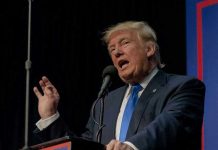
President Donald Trump followed up on social media, saying the deal with Iran was “now complete” and announcing that he had fully authorized the toll‑free reopening of the Strait of Hormuz along with the immediate end of the United States naval blockade of Iranian ports.[2] That move should ease shipping routes for oil and goods, a key concern for working Americans who have watched energy prices spike whenever Iran threatened this vital waterway.[4]
The Deal’s Core Trade: Open Seas For Tough Promises
Coverage of the agreement says the United States and Iran have created a pathway to a broader deal over Iran’s nuclear program, not a final settlement.[5] Under the framework, Iran is expected to reopen the Strait of Hormuz to regular commercial traffic, clear naval mines, and allow safe passage, while the United States eases some economic pressure and extends the ceasefire that has held since April.[3] Officials also insist there are no hidden side deals that secretly hand Tehran cash or extra sanctions relief.[3]
Negotiators describe the text as a 60‑day memorandum of understanding that will extend the ceasefire and launch serious talks on the hardest issues, including Iran’s nuclear activities, disposal of highly enriched uranium, and limits on future enrichment.[3] In return, the United States agrees to discuss sanctions relief, unfreezing some Iranian assets, and setting up ways for Iran to receive goods and humanitarian aid.[3] For conservatives, that structure raises a familiar worry: once sanctions start to loosen, Washington’s leverage to push for real, verifiable change can quickly fade.
Not Quite “Peace In Our Time”: Why Skeptics Are Wary
Iran’s deputy foreign minister went on television and called the text a finalized memorandum of understanding but made clear that full implementation would not begin until the signing ceremony in Switzerland on June 19.[2] Analysts on major news networks stress that this is still only a framework, with a two‑month window where negotiators must hammer out Iran’s nuclear limits, regional militias, and long‑term security issues that have derailed past deals.[5] That gap between happy headlines and hard enforcement is where Tehran has outplayed the West before.
A peace agreement has been reached between the United States and Iran through Pakistan's mediation, the official ceremony of which will be held on June 19 in Switzerland, hosted by Pakistan.
نیچے ٹیگ کئے لوگوں پر لکھ دی لعنت @ImranRiazKhan @soldierspeaks @MoeedNj @SHABAZGIL
— M. Nadeem Aslam 🇵🇰 (@M_Nadeem_Aslam) June 15, 2026
Reports also note that the United States is not negotiating directly with Iran’s new supreme leader, Mojtaba Khamenei, who has not appeared in public since taking power.[6] Instead, talks run through senior Iranian officials, with Pakistan and, more recently, Qatar helping to mediate the details.[6] Any final settlement still needs Khamenei’s blessing, which gives the regime room to stall, deny, or later claim negotiators went too far, a pattern that has frustrated Americans since the first nuclear talks more than a decade ago.
What Conservatives Should Watch Next
Energy markets have already reacted, with reports of falling oil prices as traders bet that the Strait of Hormuz will stay open and war risk will ease.[8] That is welcome news for families burned by years of high gas prices and inflation fueled by global instability and reckless spending at home. But cheaper oil today cannot blind lawmakers to the long‑term risk if Iran pockets economic relief while keeping its nuclear option and terror proxies in reserve for the next crisis.
For constitutional conservatives, the next 60 days should be about oversight and verification, not victory laps. Congress must demand clear terms on nuclear inspections, missile programs, and Iran‑backed groups that target American troops and allies. Any move to unfreeze large sums of Iranian assets or provide sanctions relief needs strict conditions, real transparency, and a snap‑back plan if Tehran cheats. A deal that truly ends the war and weakens Iran’s terror network would be a victory; a deal that trades pressure for promises on paper would repeat the mistakes of past globalist arrangements that put American security, energy independence, and Israel’s safety at risk.
Sources:
[1] YouTube – Iran announces ‘immediate and permanent’ end to war
[2] Web – Live Updates: Iran and U.S. reach deal, Trump and Pakistani prime …
[3] Web – 2026 Iran war ceasefire – Wikipedia
[4] YouTube – US and Iran reach peace deal to end war and lift naval blockade
[5] YouTube – Iran’s deputy FM confirms deal with US to end the war …
[6] Web – Live – Iran, US announce deal to end war
[8] Web – US and Iran agree deal to end war as Trump declares ‘let the oil flow’